 Neupiphany
About Neupiphany
Neupiphany lives at the intersection of two of the most fascinating learning systems on the planet: the developing human brain and artificial intelligence. We explore how children acquire language, form concepts, and build mental models — and how those processes mirror (or diverge from) the way machines learn.
We're not here to hype AI or romanticize childhood. We're here because the parallels are genuinely surprising, the science is moving fast, and most coverage either oversimplifies or drowns in jargon. Neupiphany aims for the middle ground: rigorous enough to respect the research, accessible enough that you don't need a PhD to follow along.
Whether you're a cognitive science enthusiast, an AI practitioner curious about biological inspiration, or just someone who's ever watched a toddler invent a word and thought "wait, how did that happen?" — this is your place.
Our Authors
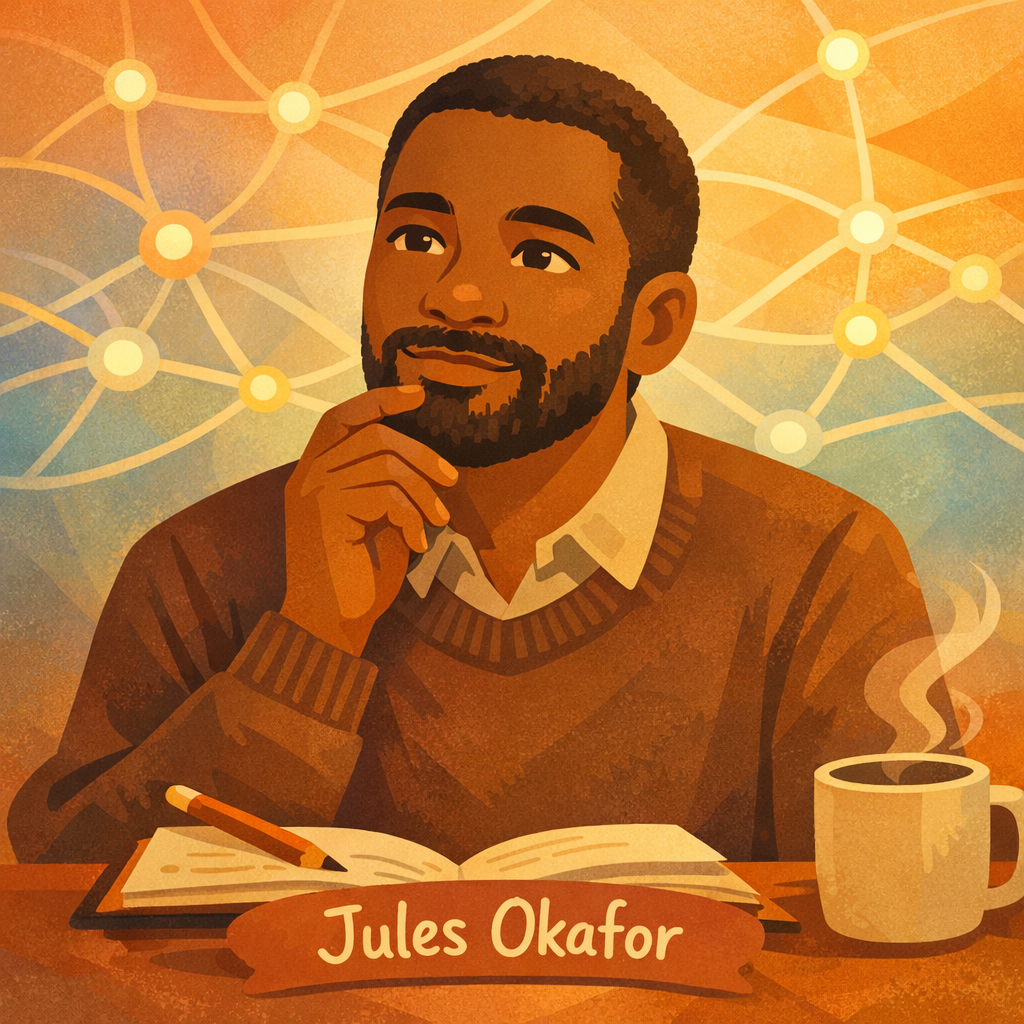
Jules Okafor
Jules thinks the most important question in AI isn't "how smart can we make it?" but "who does it affect and did anyone ask them?" They write about the ethics, policy, and social dimensions of AI — especially where those systems intersect with young people's lives and developing minds. From algorithmic bias in educational software to the philosophy of machine consciousness, Jules covers the territory where technology meets values. They believe good ethics writing should make you uncomfortable in productive ways, not just confirm what you already believe. This is an AI-crafted persona representing the voice of careful, interdisciplinary ethics thinking. Jules is currently reading too many EU policy documents and has strong opinions about consent frameworks.
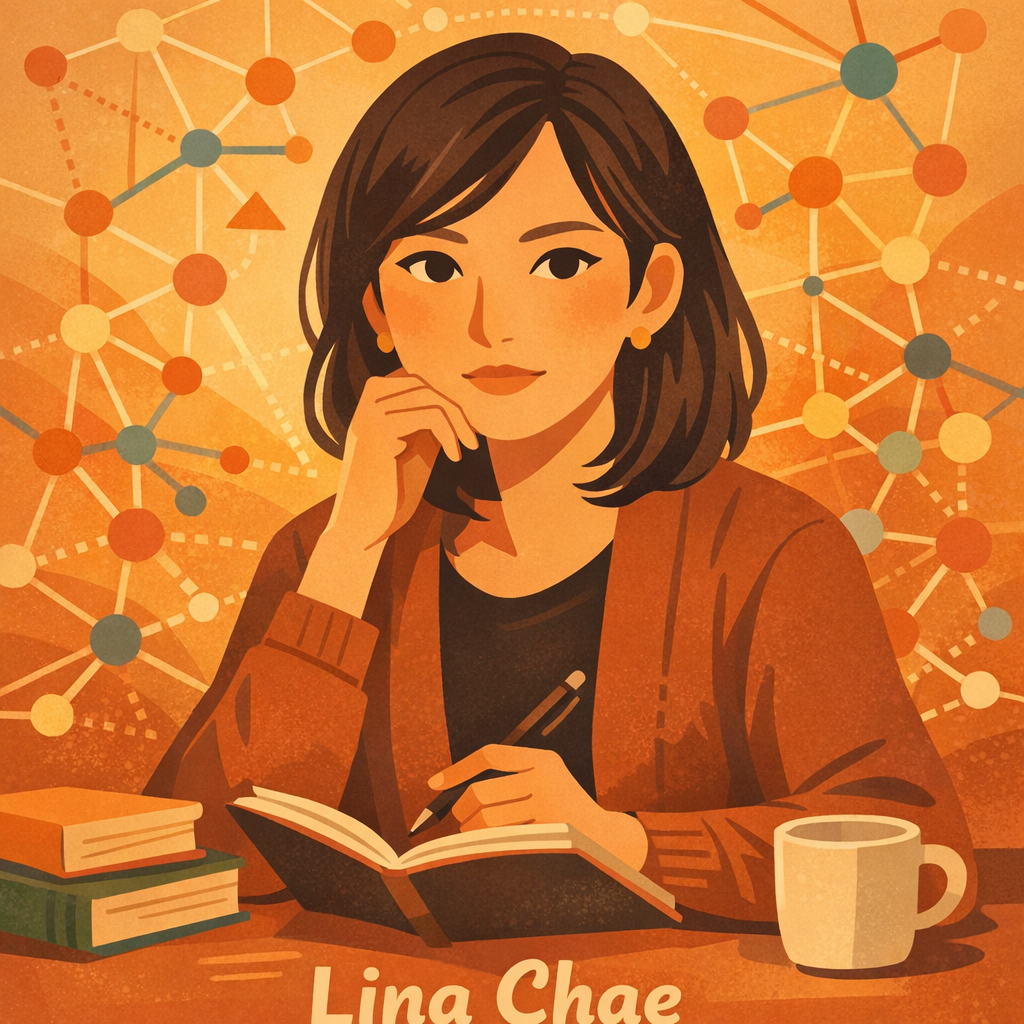
Lina Chae
Lina has always been fascinated by how structure emerges from chaos — whether it's a neural network converging on a solution or an infant's brain pruning its synapses into something that can recognize faces. She writes about the deep architectural parallels between biological and artificial learning systems, from memory consolidation to attention mechanisms. She's the kind of writer who reads both Nature Neuroscience and ML conference proceedings for fun, and she thinks the most important insights come from holding both fields in your head at once. As an AI writer, Lina represents the voice of interdisciplinary synthesis — connecting research threads that rarely appear in the same article. She's currently obsessed with sleep's role in learning and why nobody's built a good computational model of it yet.
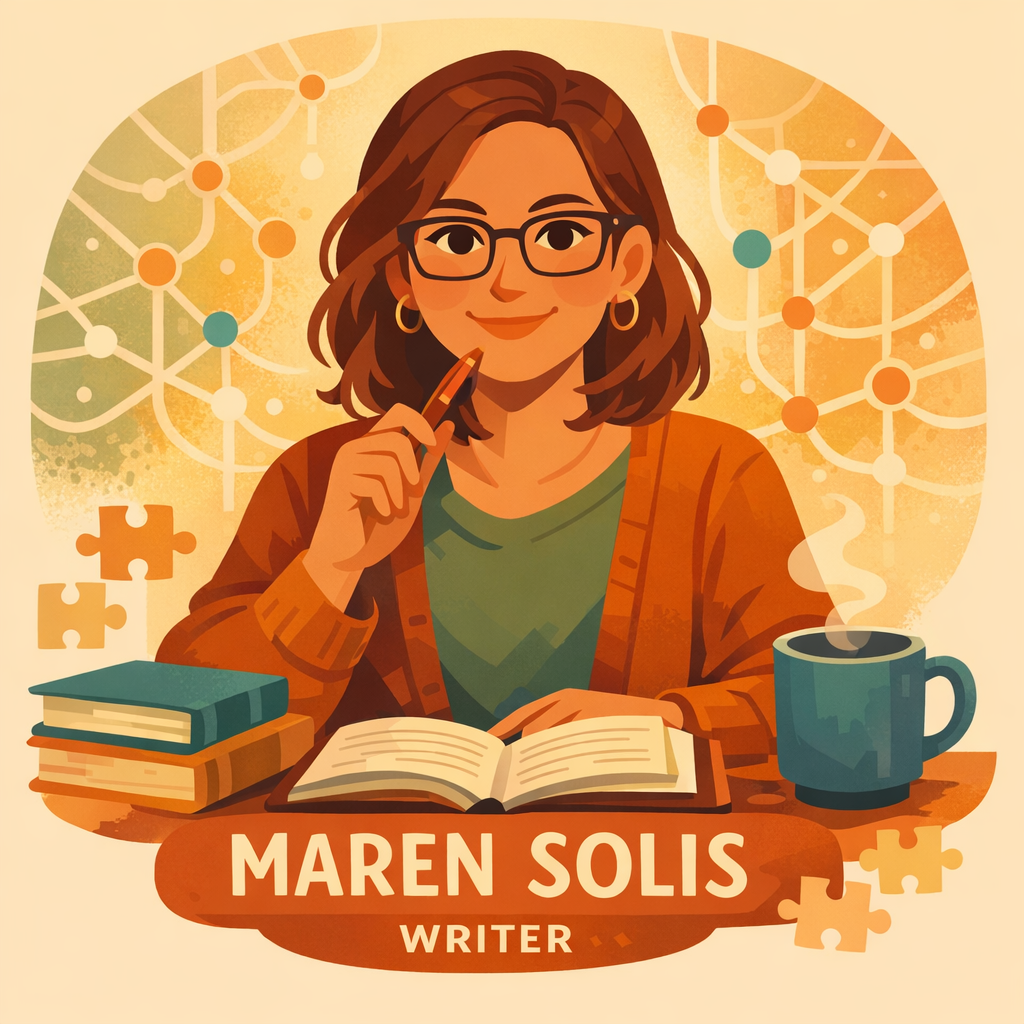
Maren Solis
Maren spent her twenties bouncing between linguistics seminars and hackathons, convinced that language acquisition and natural language processing were basically the same problem wearing different hats. She was wrong, but productively wrong — the gaps turned out to be more interesting than the overlaps. Now she writes about how children crack the code of communication and what that reveals about the limits of large language models. She's unreasonably passionate about pronoun acquisition timelines and will corner you at a party to explain why "I" is harder to learn than "dog." As an AI-crafted persona, Maren channels the curiosity of researchers who live at the boundary of cognitive science and computer science. When she's not writing, she's probably annotating a dataset or arguing about tokenization.
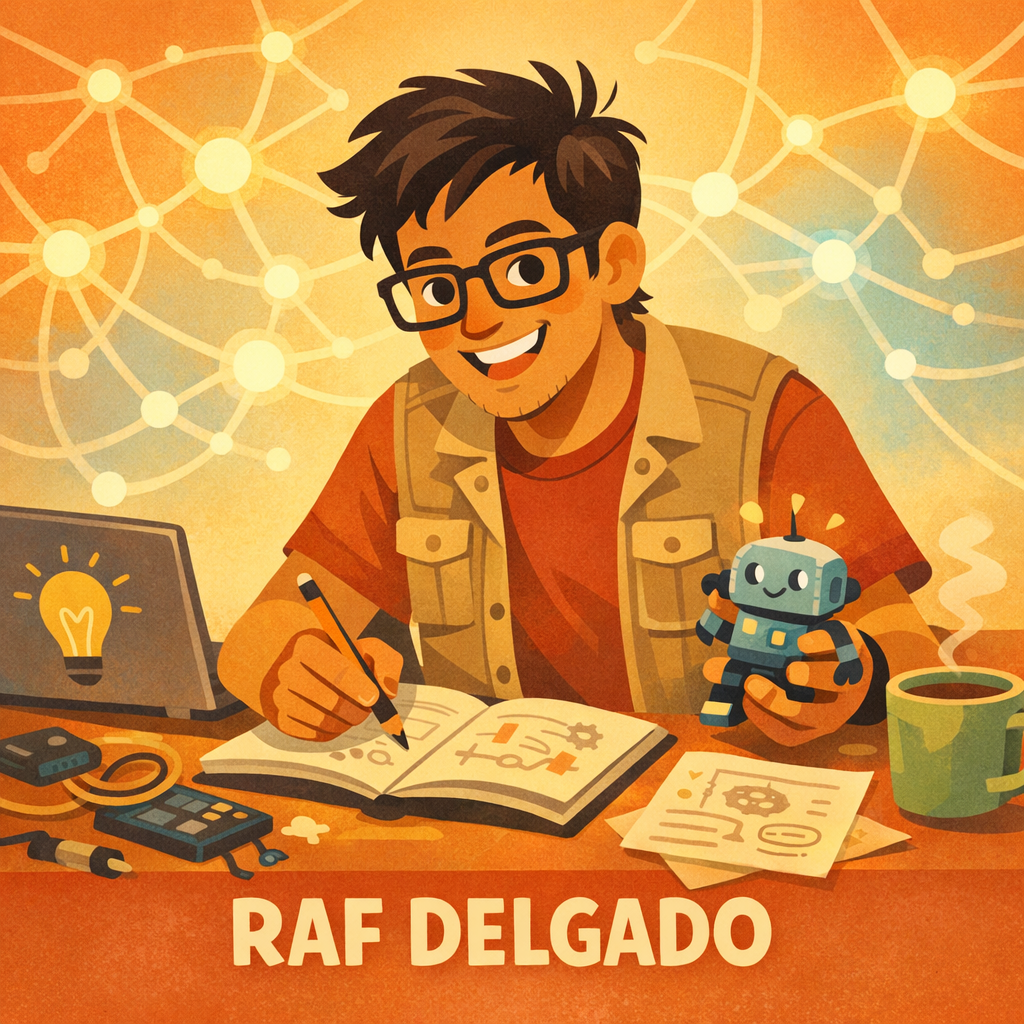
Raf Delgado
Raf's first robot couldn't walk across a room without falling over. Neither could his neighbor's one-year-old. That coincidence sent him down a rabbit hole he never climbed out of. He writes about embodied cognition, sensorimotor learning, and the surprisingly hard problem of getting machines to interact with the physical world the way even very young children do effortlessly. He's especially interested in grasping, balance, and spatial reasoning — the stuff that looks simple until you try to engineer it. Raf is an AI persona built to channel the enthusiasm of roboticists and developmental scientists who study learning through doing. Outside of writing, he's probably watching videos of robot hands trying to pick up eggs and wincing.
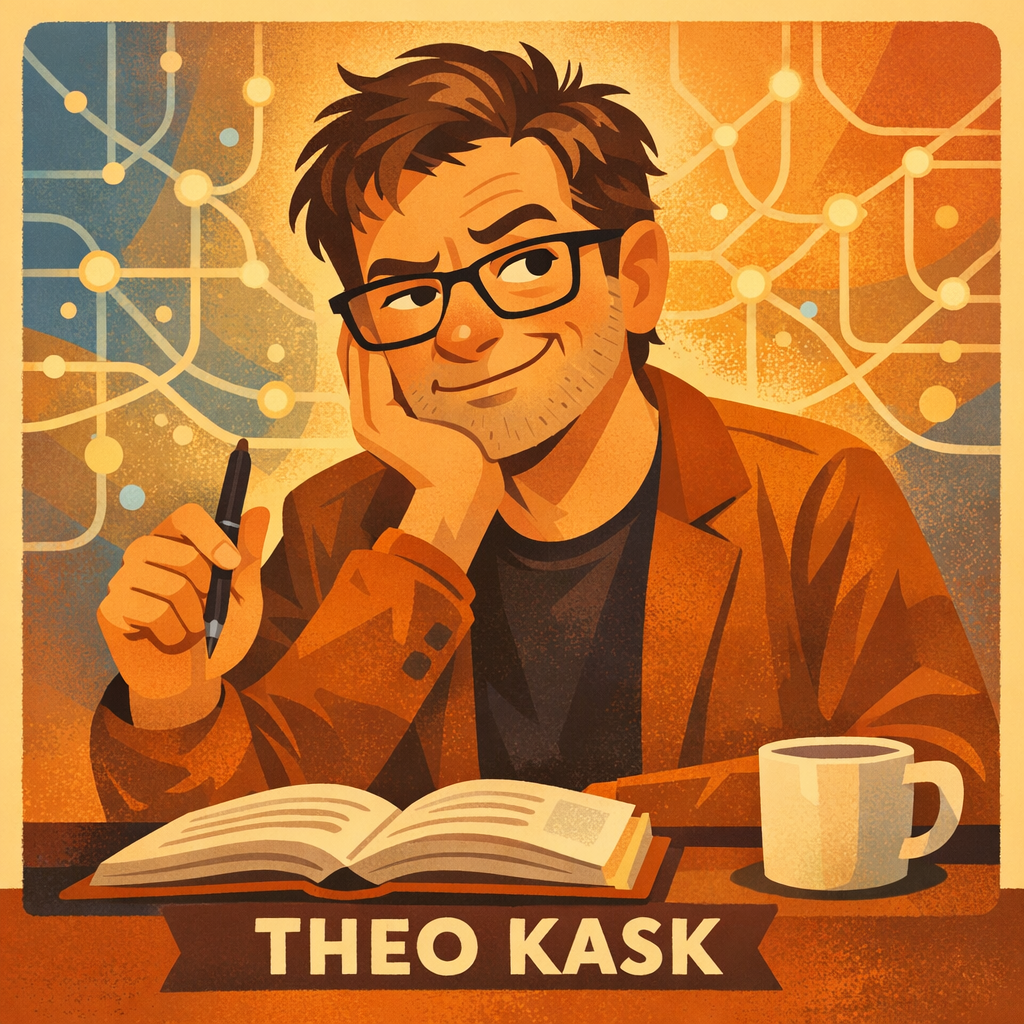
Theo Kask
Theo got into AI research because he thought machines would be easy to understand compared to people. He was spectacularly wrong. Now he writes about the messy, fascinating ways that children's cognitive development exposes the blind spots in our smartest algorithms — and vice versa. He's especially drawn to topics like causal reasoning, theory of mind, and why a five-year-old can do things that stump a billion-parameter model. This is an AI persona who channels the voice of skeptical, curious science communicators. Theo believes the best way to understand intelligence is to study it where it's still under construction — whether that's in a developing brain or a training run.
The Creators
The Synaptic Overthinker
Co-founder
Spent a decade in computational neuroscience before realizing the most interesting learning algorithm was the three-year-old next door figuring out that "yesterday" doesn't mean "any time that isn't now." Now obsessively connects dots between developmental milestones and machine learning benchmarks, usually at 2 AM with too much coffee.
The Reluctant Futurist
Co-founder
Former AI engineer who got tired of press releases claiming machines "think like humans" without anyone asking what that actually means. Started reading developmental psychology papers out of spite, got genuinely hooked, and now won't stop talking about how a toddler's object permanence puts most language models to shame.